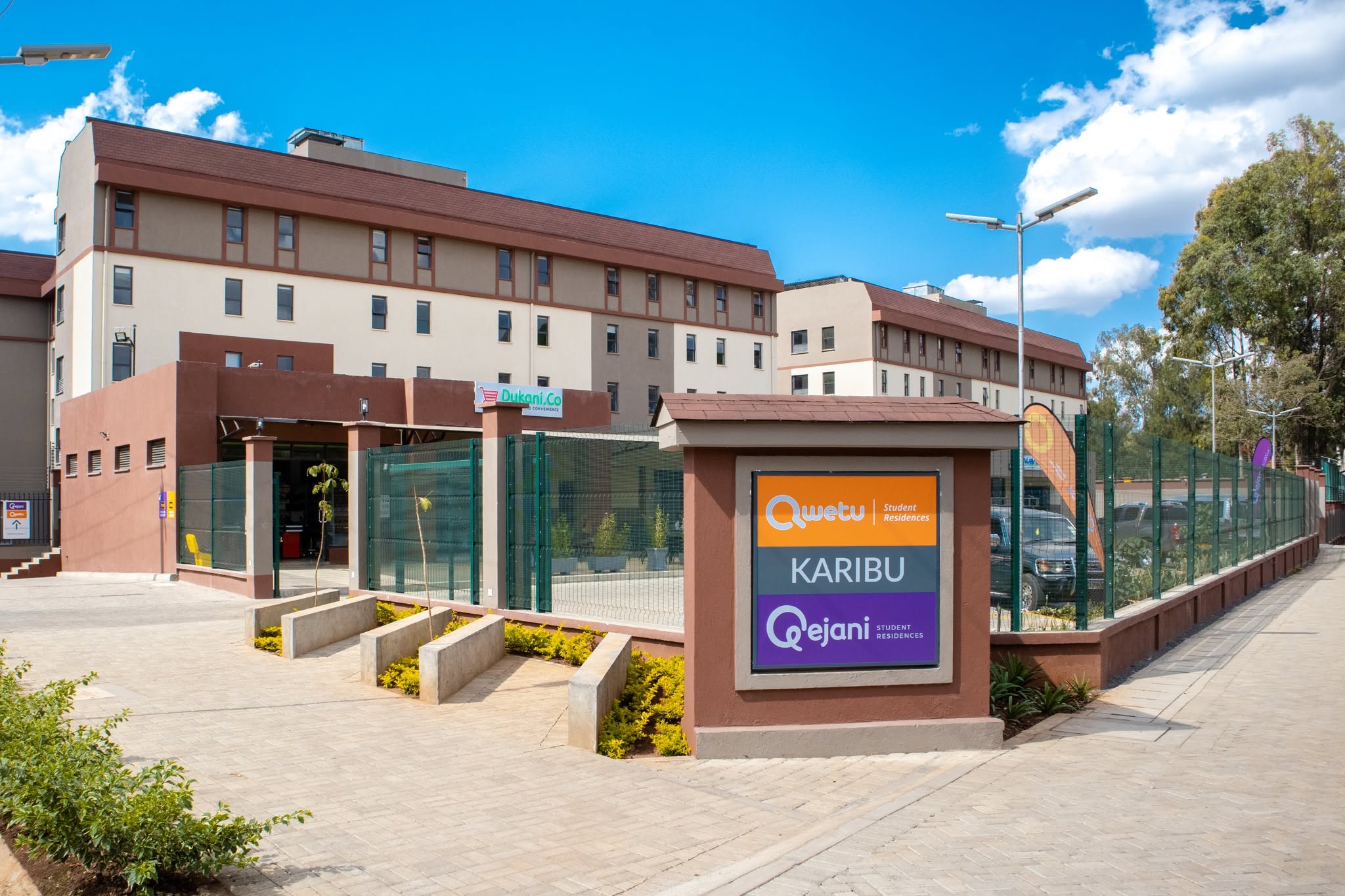
Acorn Student Accommodation I-REIT (ASA I-REIT) reported a 13.3 per cent increase in net profit to Sh285.2 million in the six months ended June, supported by lower finance costs and the acquisition of the Qwetu Karen and Qejani Karen student hostels.
ASA I-REIT’s finance costs fell 36.3 per cent to Sh129.1 million as the weighted average interest rate on the debt portfolio declined to about 9.5 per cent. The REIT refinanced the Sh828 million six-month Corporate Note into a two-year bank facility, extending the debt maturity profile with total committed facilities now standing at Sh5 billion.
In contrast, Acorn Student Accomodation D-REIT posted an 85.8 per cent drop in net profit to Sh29.1 million despite an 89 percent jump in rental income to Sh298.4 million, as finance costs rose after several projects became operational and stopped capitalizing interest, while the fund also recognized a Sh51.4 million accounting loss on the disposal of the Karen assets.
ASA D-REIT’s rental income grew 89 per cent to Sh298.4 million as recently completed properties ramped up: Qwetu average occupancy rose to 61 per cent, up from 47 per cent a year earlier and Qejani to 29 per cent, with six properties now operational.
Occupancy at D-REIT Qwetu properties improved to 61 per cent from 47 per cent, while Qejani occupancy rose to 29 per cent from 18 per cent, with management expecting stronger performance following the September student intake.
The D-REIT said the sharp decline in earnings reflects its current stabilization phase, where newly completed properties incur full financing costs before reaching mature occupancy.
The acquisition increased the I-REIT's portfolio to nine operational properties with 5,669 beds, while the D-REIT continues to own 12 projects comprising 13,226 beds across operational, construction and pre-development stages. Qwetu Chiromo is expected to be the next asset transferred to the I-REIT in the second half of the year after reaching stabilization.
The I-REIT also benefited from lower borrowing costs after refinancing its debt portfolio, with finance costs falling 36.3 percent and distributable earnings almost doubling to Sh187.2 million.
Both REITs did not declare an interim distribution.
The ASA I-REIT has commenced the transfer of its listing from the Unquoted Securities Platform to the Nairobi Securities Exchange's Restricted Market Segment, with completion expected in the second half of 2026.
The transfer is expected to improve liquidity, price discovery and participation by professional institutional investors.